Shop No.20, Aurobindo Palace Market, Hauz Khas, Near Church +91 9818282497 | 011 26867121 110016 New Delhi IN
Midland The Book Shop ™
Shop No.20, Aurobindo Palace Market, Hauz Khas, Near Church +91 9818282497 | 011 26867121 New Delhi, IN
+919871604786 https://www.midlandbookshop.com/s/607fe93d7eafcac1f2c73ea4/69591829db7aed90e0608dfb/without-tag-line-480x480.png" [email protected]
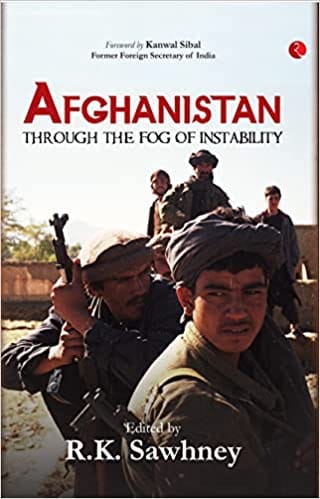
9789357020657 63e4edc76e314a0a2d178522 Afghaistan Through The Fog Of Instability https://www.midlandbookshop.com/s/607fe93d7eafcac1f2c73ea4/63e4edc86e314a0a2d178556/419amevtuwl-_sx318_bo1-204-203-200_.jpg
Afghanistan is a country that has seen more devastation than prosperity, especially in the last 20 years. The resurgence of the Taliban and its cat-and-mouse game with the West has brought the once lively nation on the brink of starvation and decline. And it’s not just the story of the present times. Even in the early nineteenth century—be it the three Anglo-Afghan wars, or the skirmish between Afghanistan and Pakistan surrounding the Durand Line—the nation has seen much more bloodshed than any other country in Asia. Today, with the government abandoning its people after the takeover by the Taliban along with the withdrawal of the US forces, Afghanistan has once again been told to fend for itself in the cruellest of ways.

In Afghanistan: Through the Fog of Instability, experts from various arenas of expertise including diplomacy, culture and security, have attempted to weave a tale of what Afghanistan was at one time, and how seedy forces had joined together to destroy the wellbeing of this nation. The book also covers the historical overview—from ancient times to the takeover by Taliban 2.0—that gives the readers a peek into how the country was at one point of time. With editor Lt Gen. R.K. Sawhney at the helm, the book makes a serious attempt in seeking answers to several problems plaguing the peace and security of this rather unfortunate country.


Review

‘The takeover of Afghanistan by the Taliban and collapse of the Islamic Republic on 15 August 2021 was essentially due to a combination of several factors, notably, a less than graceful announcement of withdrawal by the US, prolonged and insincere discussions on the morale sapping peace plan negotiations, connivance of Pakistan along with the indirect support from China. In the absence of any clear political directions or resolute military leadership, the Afghan National Army refused to offer resistance and surrendered. President Ashraf Ghani fled from the country with most of his cabinet, leaving the hapless people of Afghanistan to fend for themselves. Afghanistan was once again taken over by a fundamentalist and extremist entity from which it had been rescued almost 20 years ago. All the painstaking effort that had gone into nation-building by the US and international community, including India, came to an abrupt halt with the new regime not only committed to bringing this process to a standstill but also forcefully and irrevocably reversing it.’ —Kanwal Sibal Former Foreign Secretary of India

About the Author

Lt Gen. R.K. Sawhney retired as the Deputy Chief of the Army Staff. He is a post-graduate in Defence from the Royal College of Defence Studies, London, prior to which he attended the Defence Services Staff College at Wellington and Long Defence Service Management Course at the College of Defence Management, India. During the Army service of approximately 40 years, he has held important positions in staff and command of different combat units and field formations.

He was involved in the conceptual development of strategies at senior levels as the director of Military Intelligence and was subsequently responsible for the overall coordination of the deployment of Indian Army troops at various UN missions as the deputy chief of Army Staff.

Post retirement, he was deputed by the Government of India to monitor the situation in Afghanistan, a country which he has visited many times since 2002. He is presently a Senior Fellow and Center Head for National Security and Strategic Studies, Neighbourhood Studies and Internal Security Studies in Vivekananda International Foundation, an important think tank in New Delhi, comprising retired senior officers of Armed Forces, diplomats, intelligence officers and civil servants.

9789357020657
out of stock INR 636
1 1
Afghaistan Through The Fog Of Instability

Afghaistan Through The Fog Of Instability

ISBN: 9789357020657
₹636
₹795   (20% OFF)


Back In Stock Shortly - Fill The Book Request Form

Details
  • ISBN: 9789357020657
  • Author: R K Sawhney
  • Publisher: Rupa
  • Pages: 304
  • Format: Hardback
SHARE PRODUCT

Book Description

Afghanistan is a country that has seen more devastation than prosperity, especially in the last 20 years. The resurgence of the Taliban and its cat-and-mouse game with the West has brought the once lively nation on the brink of starvation and decline. And it’s not just the story of the present times. Even in the early nineteenth century—be it the three Anglo-Afghan wars, or the skirmish between Afghanistan and Pakistan surrounding the Durand Line—the nation has seen much more bloodshed than any other country in Asia. Today, with the government abandoning its people after the takeover by the Taliban along with the withdrawal of the US forces, Afghanistan has once again been told to fend for itself in the cruellest of ways.

In Afghanistan: Through the Fog of Instability, experts from various arenas of expertise including diplomacy, culture and security, have attempted to weave a tale of what Afghanistan was at one time, and how seedy forces had joined together to destroy the wellbeing of this nation. The book also covers the historical overview—from ancient times to the takeover by Taliban 2.0—that gives the readers a peek into how the country was at one point of time. With editor Lt Gen. R.K. Sawhney at the helm, the book makes a serious attempt in seeking answers to several problems plaguing the peace and security of this rather unfortunate country.


Review

‘The takeover of Afghanistan by the Taliban and collapse of the Islamic Republic on 15 August 2021 was essentially due to a combination of several factors, notably, a less than graceful announcement of withdrawal by the US, prolonged and insincere discussions on the morale sapping peace plan negotiations, connivance of Pakistan along with the indirect support from China. In the absence of any clear political directions or resolute military leadership, the Afghan National Army refused to offer resistance and surrendered. President Ashraf Ghani fled from the country with most of his cabinet, leaving the hapless people of Afghanistan to fend for themselves. Afghanistan was once again taken over by a fundamentalist and extremist entity from which it had been rescued almost 20 years ago. All the painstaking effort that had gone into nation-building by the US and international community, including India, came to an abrupt halt with the new regime not only committed to bringing this process to a standstill but also forcefully and irrevocably reversing it.’ —Kanwal Sibal Former Foreign Secretary of India

About the Author

Lt Gen. R.K. Sawhney retired as the Deputy Chief of the Army Staff. He is a post-graduate in Defence from the Royal College of Defence Studies, London, prior to which he attended the Defence Services Staff College at Wellington and Long Defence Service Management Course at the College of Defence Management, India. During the Army service of approximately 40 years, he has held important positions in staff and command of different combat units and field formations.

He was involved in the conceptual development of strategies at senior levels as the director of Military Intelligence and was subsequently responsible for the overall coordination of the deployment of Indian Army troops at various UN missions as the deputy chief of Army Staff.

Post retirement, he was deputed by the Government of India to monitor the situation in Afghanistan, a country which he has visited many times since 2002. He is presently a Senior Fellow and Center Head for National Security and Strategic Studies, Neighbourhood Studies and Internal Security Studies in Vivekananda International Foundation, an important think tank in New Delhi, comprising retired senior officers of Armed Forces, diplomats, intelligence officers and civil servants.

User reviews

  0/5