Shop No.20, Aurobindo Palace Market, Hauz Khas, Near Church +91 9818282497 | 011 26867121 110016 New Delhi IN
Midland The Book Shop ™
Shop No.20, Aurobindo Palace Market, Hauz Khas, Near Church +91 9818282497 | 011 26867121 New Delhi, IN
+919871604786 https://www.midlandbookshop.com/s/607fe93d7eafcac1f2c73ea4/69591829db7aed90e0608dfb/without-tag-line-480x480.png" [email protected]
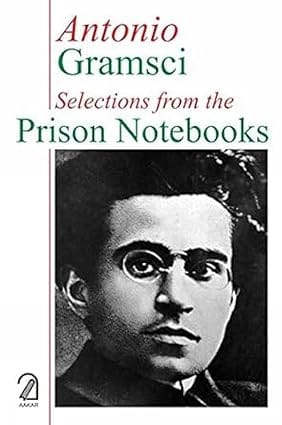
9789350023662 66ba056cf75475003222dfcf Antonio Gramsci Selections From The Prison Notebooks https://www.midlandbookshop.com/s/607fe93d7eafcac1f2c73ea4/66ba056df75475003222dfd7/61sxyhzgk4l-_sy425_.jpg
Antonio Gramsci (1891–1937) was an Italian intellectual who joined first the Socialist and then the Communist Party. Between 1924 and 1926 Gramsci was the head of the Italian Communist Party. In 1926 he was arrested by the Mussolini fascist government and sent to prison where he remained until 1937. The excerpt that follows comes from his prison notebooks and demonstrates his fascination with the French Revolution, especially its Jacobin phase. Although Gramsci was a devoted Marxist, he helped turn Marxism toward an interest in local conditions, particularly toward the alliance between intellectuals and workers.
 
 
9789350023662
out of stock INR 556
1 1

Antonio Gramsci Selections From The Prison Notebooks

ISBN: 9789350023662
₹556
₹695   (20% OFF)


Back In Stock Shortly - Fill The Book Request Form

Details
  • ISBN: 9789350023662
  • Author: Antonio Gramsci
  • Publisher: Aakar Books
  • Pages: 250
  • Format: Paperback
SHARE PRODUCT

Book Description

Antonio Gramsci (1891–1937) was an Italian intellectual who joined first the Socialist and then the Communist Party. Between 1924 and 1926 Gramsci was the head of the Italian Communist Party. In 1926 he was arrested by the Mussolini fascist government and sent to prison where he remained until 1937. The excerpt that follows comes from his prison notebooks and demonstrates his fascination with the French Revolution, especially its Jacobin phase. Although Gramsci was a devoted Marxist, he helped turn Marxism toward an interest in local conditions, particularly toward the alliance between intellectuals and workers.


User reviews

  0/5