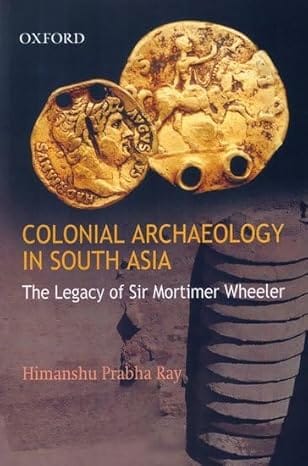
This book discusses the practice and institutionalization of the discipline of archaeology under British rule and its current manifestations. Using Sir Mortimer Wheeler's tenure as the Director-General of the Archaeological Survey of India (1944-48), it assesses the extent to which colonial intervention shaped the nascent discipline in South Asia. The study investigates two important areas generally neglected in most histories of archaeology of the subcontinent-conservation practices and the display of archaeological artefacts in museums. It also examines topical questions like the government control of academic disciplines like archaeology and the role of the discipline in the postcolonial period. Ray also provides an overview of the major events and debates that emerged in the archaeology of the subcontinent leading up to the 1940s. She discusses the contemporary academic scenario, Wheeler's Indian contemporaries, his contributions to the study of the subject, and his agenda for the Archaeological Survey of India. In doing so, she highlights how his work and methodology continue to dominate the study of archaeology in the postcolonial period as well. The author draws on a wide range of source material, some being used for the first time-the archives of Archaeological Survey of India and Mortimer Wheeler's private papers- to present the changing paradigms within which the past has been studied.
Subscribe to get Email Updates!
Thanks for subscribing.
Your response has been recorded.

"We Believe In The Power of Books" Our mission is to make books accessible to everyone, and to cultivate a culture of reading and learning. We strive to provide a wide range of books, from classic literature, sci-fi and fantasy, to graphic novels, biographies and self-help books, so that everyone can find something to read.
Whether you’re looking for your next great read, a gift for someone special, or just browsing, Midland is here to make your book-buying experience easy and enjoyable.