Shop No.20, Aurobindo Palace Market, Hauz Khas, Near Church +91 9818282497 | 011 26867121 110016 New Delhi IN
Midland The Book Shop ™
Shop No.20, Aurobindo Palace Market, Hauz Khas, Near Church +91 9818282497 | 011 26867121 New Delhi, IN
+919871604786 https://www.midlandbookshop.com/s/607fe93d7eafcac1f2c73ea4/69453da445ba84d539b38f9a/black-yellow-simple-bold-youtube-channel-logo-400-x-100-px-1--480x480.png" [email protected]
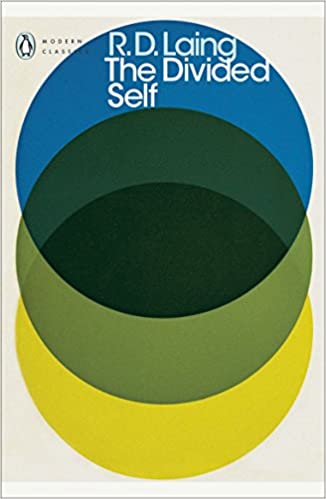
9780241562970 6911ddc8b2c3dcb25030a61a The Divided Self https://www.midlandbookshop.com/s/607fe93d7eafcac1f2c73ea4/6911ddc9b2c3dcb25030a622/32218928244.jpg

First published in 1960, this watershed work aimed to make madness comprehensible, and in doing so revolutionized the way we perceive mental illness. Using case studies of patients he had worked with, psychiatrist R. D. Laing argued that psychosis is not a medical condition, but an outcome of the 'divided self', or the tension between the two personas within us: one our authentic, private identity, and the other the false, 'sane' self that we present to the world. Laing's radical approach to insanity offered a rich existential analysis of personal alienation and made him a cult figure in the 1960s, yet his work was most significant for its humane attitude, which put the patient back at the centre of treatment. Includes an introduction by Professor Anthony S. David.

9780241562970
in stockINR 680
1 1
The Divided Self

The Divided Self

ISBN: 9780241562970
₹680
₹850   (20% OFF)


Details
  • ISBN: 9780241562970
  • Author: R D Laing
  • Publisher: Penguin Modern Classics
  • Pages: 218
  • Format: Paperback
SHARE PRODUCT

Book Description

First published in 1960, this watershed work aimed to make madness comprehensible, and in doing so revolutionized the way we perceive mental illness. Using case studies of patients he had worked with, psychiatrist R. D. Laing argued that psychosis is not a medical condition, but an outcome of the 'divided self', or the tension between the two personas within us: one our authentic, private identity, and the other the false, 'sane' self that we present to the world. Laing's radical approach to insanity offered a rich existential analysis of personal alienation and made him a cult figure in the 1960s, yet his work was most significant for its humane attitude, which put the patient back at the centre of treatment. Includes an introduction by Professor Anthony S. David.

User reviews

  0/5