Shop No.20, Aurobindo Palace Market, Hauz Khas, Near Church +91 9818282497 | 011 26867121 110016 New Delhi IN
Midland The Book Shop ™
Shop No.20, Aurobindo Palace Market, Hauz Khas, Near Church +91 9818282497 | 011 26867121 New Delhi, IN
+919871604786 https://www.midlandbookshop.com/s/607fe93d7eafcac1f2c73ea4/69591829db7aed90e0608dfb/without-tag-line-480x480.png" [email protected]
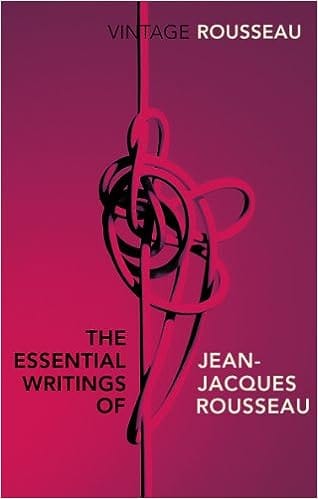
9780099582847 64c3b5ea8a8fa743b14e359a The Essential Writings Of Jean-jacques Rousseau https://www.midlandbookshop.com/s/607fe93d7eafcac1f2c73ea4/64c3b5eb8a8fa743b14e35d6/41623dwh9kl-_sx316_bo1-204-203-200_.jpg
Translated by Peter ConstantineEdited and with an new introduction by Leo Damrosch'Man is born free, and everywhere he is in chains' is the dramatic opening line of The Social Contract, published in 1762.
 

Review

Not only a radical thinker but also one of Europe's most popular novelists - Guardian

The 18th century's crankiest sentimental genius - Washington Post

Rousseau...is one of those paradoxical geniuses who tend to inspire all-forgiving love or intense dislike - Independent

About the Author

Jean-Jacques Rousseau (Author)
Peter Constantine's honors include the PEN Translation Prize, the National Translation Award, the Helen and Kurt Wolff Translation Prize, and Greece’s Translators of Literature Prize. He translated Machiavelli’s The Prince for Vintage Classics.

Jean-Jacques Rousseau was born in Geneva in 1712. He was a writer and political theorist of the Enlightenment. In 1750 he published his first important work 'A Discourse on the Sciences and the Arts' (1750) where he argued that man had become corrupted by society and civilisation. In 1755, he published 'Discourse on the Origin of Inequality' and in 'The Social Contract' (1762) he argued, "Man is born free, and everywhere he is in chains". This political treatise earned him exile from his home city of Geneva and arguably inspired the French Revolution (his ashes were transferred to the Pantheon in Paris in 1794). He also wrote 'Èmile', a treatise on education and 'The New Eloise' (1761). This novel scandalised the French authorities who ordered Rousseau's arrest. In his last 10 years, Rousseau wrote his 'Confessions'. In The Confessions he remembers his adventurous life, his achievements and the persecution he suffered from opponents. His revelations inspired the likes of Proust, Goethe and Tolstoy among others. Rousseau died on 2 July in France in 1778.

9780099582847
out of stock INR 559
1 1
The Essential Writings Of Jean-jacques Rousseau

The Essential Writings Of Jean-jacques Rousseau

ISBN: 9780099582847
₹559
₹699   (20% OFF)


Back In Stock Shortly - Fill The Book Request Form

Details
  • ISBN: 9780099582847
  • Author: Jean-jacques Rousseau
  • Publisher: Vintage Classics
  • Pages: 560
  • Format: Paperback
SHARE PRODUCT

Book Description

Translated by Peter ConstantineEdited and with an new introduction by Leo Damrosch'Man is born free, and everywhere he is in chains' is the dramatic opening line of The Social Contract, published in 1762.
 

Review

Not only a radical thinker but also one of Europe's most popular novelists - Guardian

The 18th century's crankiest sentimental genius - Washington Post

Rousseau...is one of those paradoxical geniuses who tend to inspire all-forgiving love or intense dislike - Independent

About the Author

Jean-Jacques Rousseau (Author)
Peter Constantine's honors include the PEN Translation Prize, the National Translation Award, the Helen and Kurt Wolff Translation Prize, and Greece’s Translators of Literature Prize. He translated Machiavelli’s The Prince for Vintage Classics.

Jean-Jacques Rousseau was born in Geneva in 1712. He was a writer and political theorist of the Enlightenment. In 1750 he published his first important work 'A Discourse on the Sciences and the Arts' (1750) where he argued that man had become corrupted by society and civilisation. In 1755, he published 'Discourse on the Origin of Inequality' and in 'The Social Contract' (1762) he argued, "Man is born free, and everywhere he is in chains". This political treatise earned him exile from his home city of Geneva and arguably inspired the French Revolution (his ashes were transferred to the Pantheon in Paris in 1794). He also wrote 'Èmile', a treatise on education and 'The New Eloise' (1761). This novel scandalised the French authorities who ordered Rousseau's arrest. In his last 10 years, Rousseau wrote his 'Confessions'. In The Confessions he remembers his adventurous life, his achievements and the persecution he suffered from opponents. His revelations inspired the likes of Proust, Goethe and Tolstoy among others. Rousseau died on 2 July in France in 1778.

User reviews

  0/5