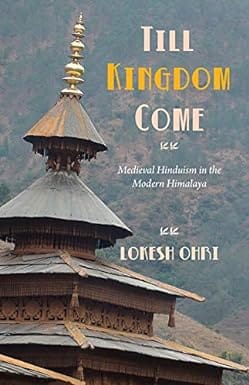
One such offshoot is the influential cult of mahasu, which has existed since medieval times in a part of the Western Himalaya. The deity at the core of the cult takes the form of four primary mahasus with territorial influence, installed in various far-flung temples. Their geographical centre is the village of Hanoi, and the larger territory is integrated to the mahasu politico-religious system by a peripatetic deity with loyal followers across a considerable domain.
mahasu remains influential in the region, its ritual practices having remained quite distinct despite social change. An anthropological survey was conducted in its terrain during British times, but Lokesh ohris book is the first to offer a detailed framework, a fine-grained history, and an analytically nuanced understanding of one of the rarest branches of Hindu worship.
This book will seem invaluable to those seeking to understand the anthropology of religion and the diversity of Hindu belief and practice.
.
About the Author
LOKESH OHRI is an anthropologist and activist who has worked for several years in the Himalaya. He was a doctoral fellow at the South Asia Institute, University of Heidelberg, Germany and has worked on political rituals, heritage and resource use in the mountains. He is currently working on an extensive documentation of the river Ganges from source to mouth.