Shop No.20, Aurobindo Palace Market, Hauz Khas, Near Church +91 9818282497 | 011 26867121 110016 New Delhi IN
Midland The Book Shop ™
Shop No.20, Aurobindo Palace Market, Hauz Khas, Near Church +91 9818282497 | 011 26867121 New Delhi, IN
+919871604786 https://www.midlandbookshop.com/s/607fe93d7eafcac1f2c73ea4/69591829db7aed90e0608dfb/without-tag-line-480x480.png" [email protected]
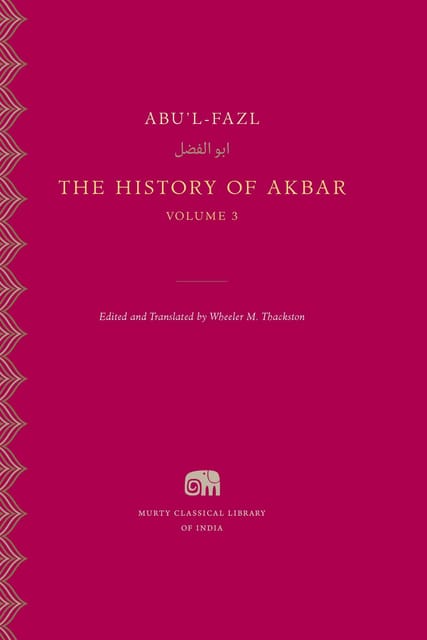
9780674545595 6a1ab19274ebf792ef48daa5 The History of Akbar, Volume 3 https://www.midlandbookshop.com/s/607fe93d7eafcac1f2c73ea4/6a1ab19474ebf792ef48dab5/61dc442ec2105e5625f079b5_61bcc19c3b7a5ada519bede7_mcli010_abupercent2527l-fazlthackston_v3_us_comp_1600px-min-p-1600.jpg The History of Akbar, Volume 3 by Kamandaki offers a compelling continuation of the historical narrative surrounding the Mughal emperor Akbar and the evolving political landscape of medieval India. Combining historical observation with philosophical reflection, the work explores themes of governance, diplomacy, military strategy, and ethical leadership. The volume highlights Akbar’s efforts to maintain stability, encourage intellectual exchange, and strengthen imperial administration while also examining the broader cultural and social influences of his reign. Rich in historical detail and analytical depth, the text provides readers with valuable insight into the complexities of empire, statecraft, and leadership in Indian history. 9780674545595
in stockINR 399
Murty Classical Library Of India
1 1
The History of Akbar, Volume 3

The History of Akbar, Volume 3

ISBN: 9780674545595
₹399
₹499   (20% OFF)


Details
  • ISBN: 9780674545595
  • Author: Abu'l-Fazl
  • Publisher: Harvard University Press
  • Pages: 0
  • Format: Paperback
SHARE PRODUCT

Book Description

The History of Akbar, Volume 3 by Kamandaki offers a compelling continuation of the historical narrative surrounding the Mughal emperor Akbar and the evolving political landscape of medieval India. Combining historical observation with philosophical reflection, the work explores themes of governance, diplomacy, military strategy, and ethical leadership. The volume highlights Akbar’s efforts to maintain stability, encourage intellectual exchange, and strengthen imperial administration while also examining the broader cultural and social influences of his reign. Rich in historical detail and analytical depth, the text provides readers with valuable insight into the complexities of empire, statecraft, and leadership in Indian history.

User reviews

  0/5