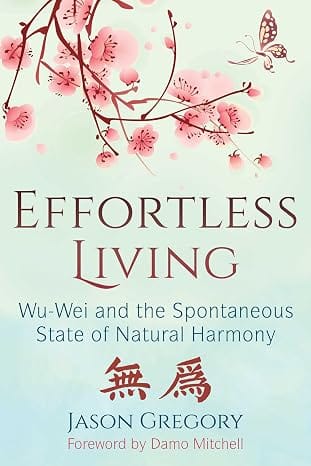
A guide for achieving an enlightened mind through the art of non-doing
Details meditation practices, focused on stillness of the mind, along with Patanjali s yoga methods to maintain a consciousness referred to as being in the zone
Builds on Taoist, Confucian, and Hindu principles along with scientific findings to support wu-wei--the art of non-doing, non-forcing--as a way of life
Explains how wu-wei practitioners cultivate intelligent spontaneity and effortless action to allow the natural harmony of the cosmos to prevail
The practice of non-doing, non-forcing is an essential aspect of Taoism known as wu-wei. Attributed to the great sage Lao-tzu, the philosophy of wu-wei teaches you how to develop a natural state of consciousness not bound by thought or preconceived limitations. Experienced by the greatest artists, athletes, musicians, and writers, this heightened state of consciousness, referred to as being in the zone, is where intelligent spontaneity and effortless action flourish via a practice rooted in permitting the natural harmony of the cosmos to prevail.
Merging Taoist philosophy, Hindu principles, and Confucianism along with scientific findings, Jason Gregory outlines the practice of wu-wei as a vehicle to realize our innate freedom, revealing that when we release our ego and allow life to unfold as it will, we align ourselves more closely with our goals and cultivate skill and mastery along the way. Equating being in the zone with a stillness of the mind, Gregory shares meditation practices coupled with yoga exercises from Patanjali that allow you to approach life with a mastery of acceptance, releasing deluded b




 +91 9818282497
(2).png)